We want the EU to be a global leader in reducing the environmental impacts of transport. We believe Europe should have the lowest levels of greenhouse gas emissions and air and noise pollution from transport; the cleanest vehicles, planes and ships; transport policies that encourage efficiency and smart behaviour, and pricing that makes polluters pay for pollution, not society as a whole. Below is an overview of our main areas of work.
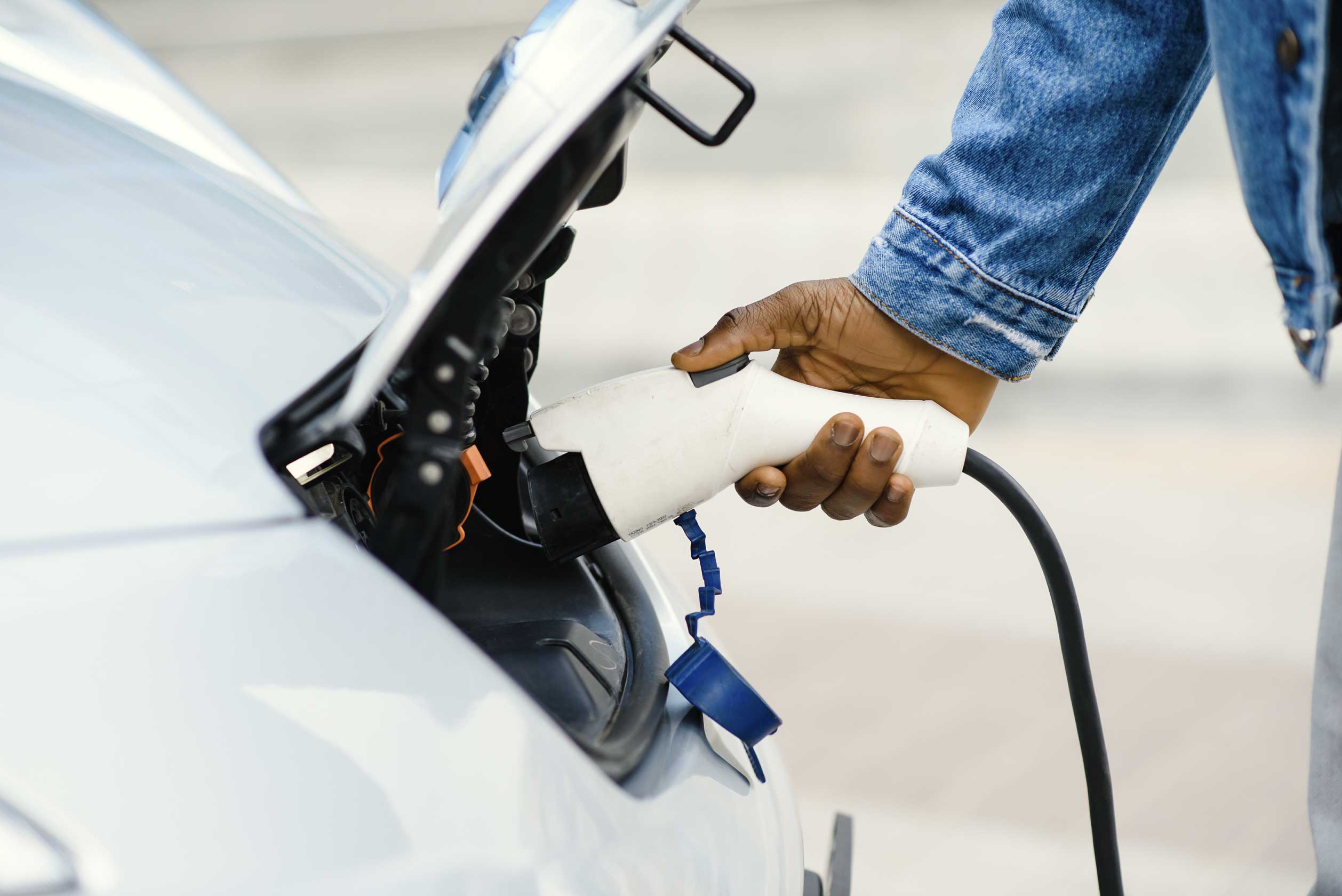
One of the most important steps Europe can take to save oil, combat climate change, and create high tech jobs is to require carmakers to produce cleaner, more efficient vehicles. In 2008, the EU set legally-binding CO2 standards for the first time. They say cars sold in Europe in 2015 should emit 130 grammes of CO2 per kilometre on average, and those sold in 2020, 95 grammes. We want the EU to set future standards for fuel efficiency and to ensure that car buyers can rely on the fuel consumption figures stated by carmakers.
Aviation is the fastest growing source of transport greenhouse gas emissions and the most climate-intensive form of transport. Its emissions have more than doubled in the last twenty years and, in 2008, the sector, together with shipping, accounted for a quarter of total transport emissions. Aviation has always received special treatment, avoiding fuel taxes and VAT. T&E is campaigning, together with members of the International Coalition for Sustainable Aviation for global targets for reduction in emissions within the aviation sector and for removing exemptions on fuel taxation and VAT for airlines in the EU.
If left unchanged, EU legislation promoting biofuels for transport will lead to higher, not lower greenhouse gas emissions. T&E and other environmental organisations are campaigning for Europe to address the environmental impact of indirect land use change (ILUC) caused by biofuel production.
As well as improving the efficiency of vehicles, the world needs to reduce the emissions that result from the production of transport fuels. That means improving refinery efficiency, cleaning up the dirtiest sources like tar sands and coal-to-liquid and stopping wasteful gas flaring.
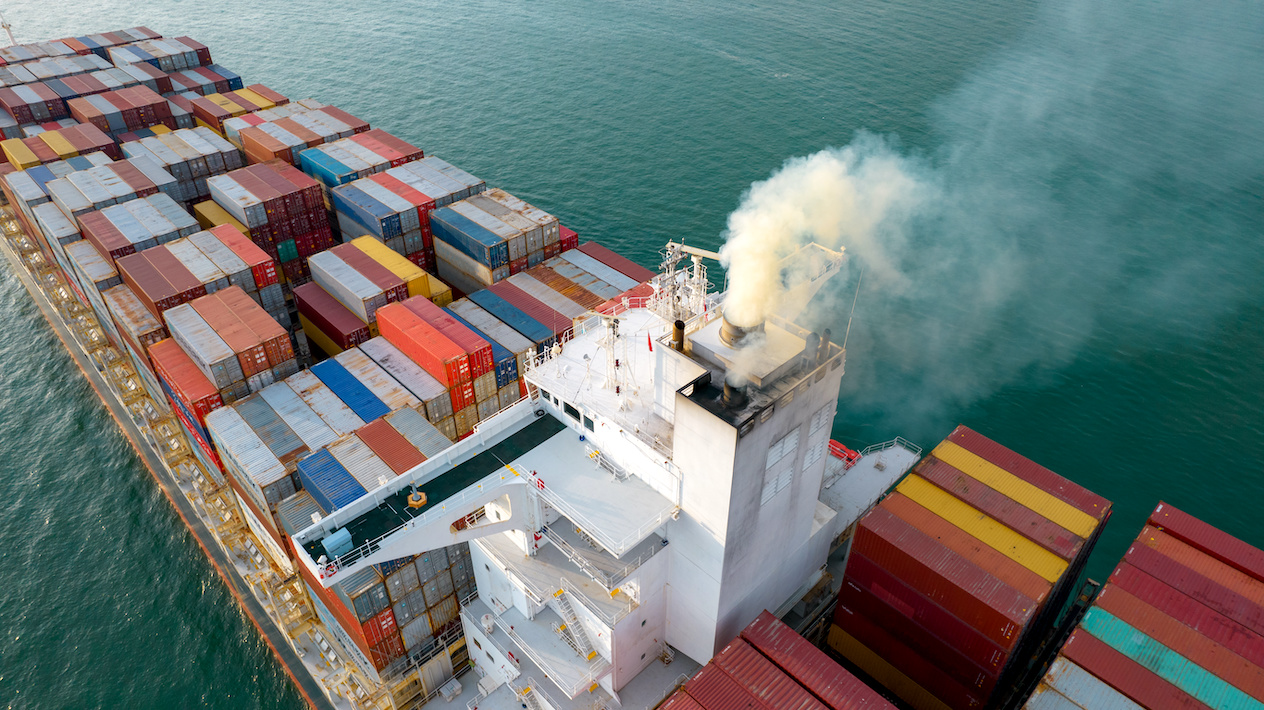
Shipping is one of the fastest growing sources of transport greenhouse gas emissions, and is also a major source of the air pollution that causes acid rain. Like aviation, the sector's international emissions were excluded from the 1997 Kyoto climate targets with responsibility instead handed to a UN global regulator, the IMO. T&E works, together with other members of the Clean Shipping Coalition, to reduce the air pollution and climate impacts of shipping globally and in Europe.
According to the World Health Organisation (WHO), noise is second only to air pollution in the impact it has on health. It is a major cause, not only of hearing loss, but also of heart disease, learning problems in children and sleep disturbance. Yet traffic noise could easily be halved, with existing technology, if more stringent limits were adopted. T&E is working at the EU and global level for tighter restrictions on sources of transport noise including cars, lorries and trains.
Road pricing can reduce the negative impacts of pollution, congestion and accidents by making those that cause the damage pay the bill. It allows a shift of taxation away from labour and enterprise while stimulating efficiency within the road freight sector. As road charging schemes for lorries spread across the the continent, we want the EU to lift its effective ban on including costs for climate change and accidents in toll charges.
The EU spends around €13 billion every year on transport infrastructure projects. The true financial impact is much greater because without the EU cash, many co-financed projects would simply not go ahead. We want the EU to spend its money on smarter transport projects such as congestion charging schemes, or electrifying rail infrastructure. And we want all projects to receive a 'climate rating', with an assurance that greener projects are prioritised.