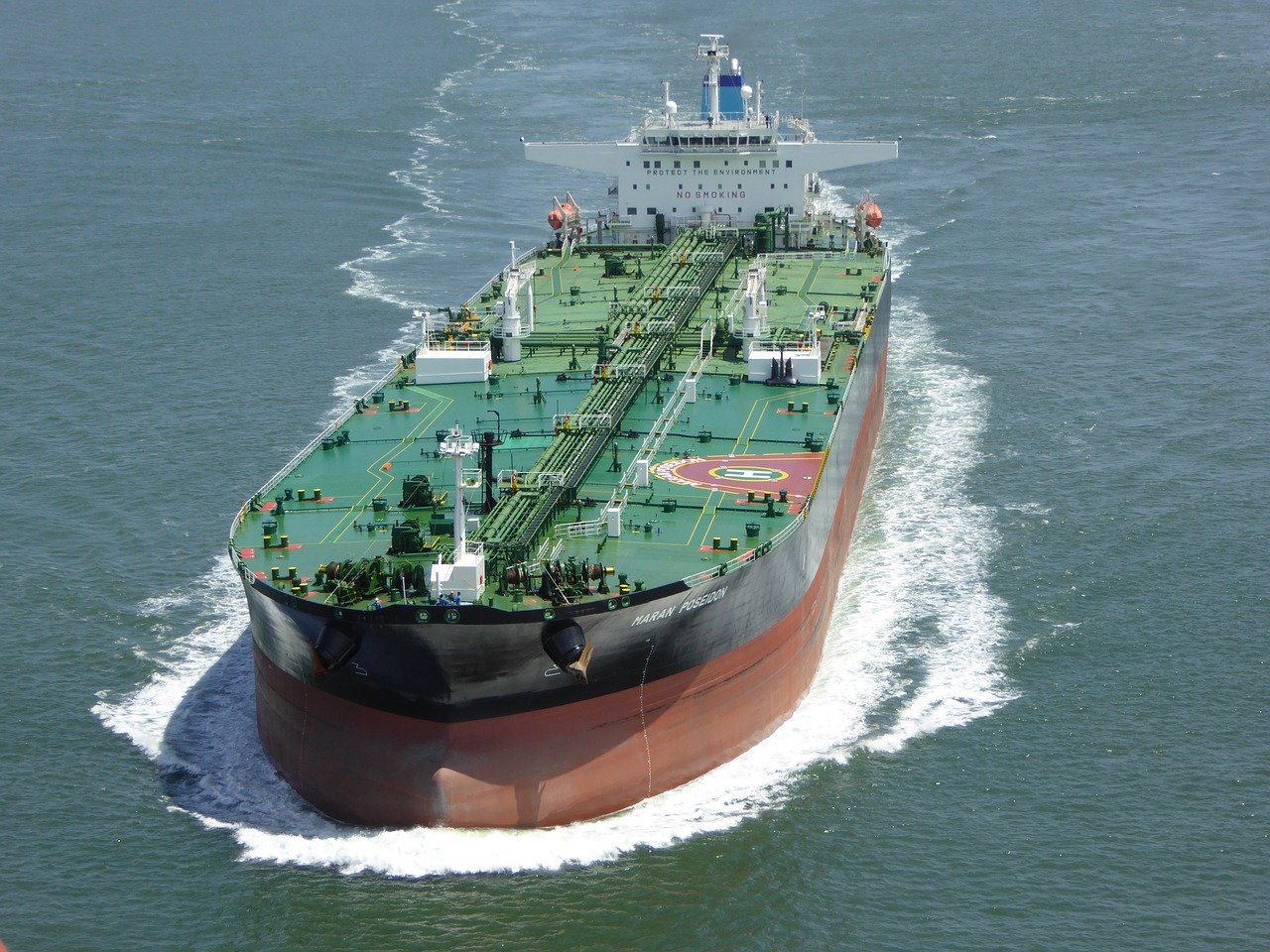
Europe’s cars, trucks, planes and ships are still overwhelmingly dependent on oil. This is terrible for the climate but it also leaves the continent dependent on imports from abroad and at the mercy of autocrats and oil cartels.
The EU and its member states have vowed to take stronger climate action to reduce the climate impact of the transport sector. The EU Commission launched the Fitfor55 package as part of the European Green Deal, which proposes, for example, a more robust CO2 standard for cars and vans, new targets for both electric charging points, an end to aviation’s tax holiday, and it will make shipping finally pay for its pollution.
However, the package still leaves the door open for the fossil industry to survive in the move to a decarbonised world and some of the proposed measures are not robust enough to deliver the required GHG emissions reductions if we are to meet the 1.5 degree goal under the Paris Agreement.
A major obstacle to reducing our reliance on oil is the oil companies themselves. They have positioned themselves as key to the transition to clean energy, despite investing very little in genuinely clean technologies. Instead they promote fake solutions like biofuels and hydrogen for cars, as well as undermine the switch to electric cars. T&E’s oil work seeks to challenged Big Oil’s grip on Europe’s energy policy.
What is happening:
European oil companies are making use of various tactics to maintain their influential and privileged position in the move towards a decarbonised future.
In Europe, the so-called oil majors: BP, Shell, Total, Eni and Repsol portray themselves as part of the solution to climate change by publishing green pledges and net zero commitments, advertising low carbon alternatives for the transport sector, such as hydrogen with CCS, biofuels, and natural gas. All this while providing limited investments in renewables and electric vehicles’ (EV’s) charging infrastructure.
They remain present in the daily lives of consumers by monopolising and branding through gas stations including loyalty programmes, using media and advertisement to promote alternative fuels, sponsoring public events and institutions. They invest in lobbying – often through third parties – in order to avoid or slow down threatening ‘green’ policy measures. They cast doubt on EV’s as an alternative to the oil dependent ICE car by spreading narratives in political and public debate.
T&E seeks to expose the oil majors’ attempts to become part of a decarbonised future, how they are trying to rebrand themselves as ‘green’ and being part of the solution, yet at the same time are either blocking or attempting to slow down EU legislative processes, such as the European Green Deal. Or they promote low carbon and offsetting measures over absolute GHG emissions reductions.